OpenClaw governance diagnostic · browser-only scoring · no login · routes into ACT Tier 2 Professional
OpenClaw shadow-use diagnostic

OpenClaw Shadow Deployment Governance Check

Find out whether OpenClaw use is governed, drifting underground, or already operating as a shadow-agent problem.

3–5 minutes 12 scored questions No login

This screen treats shadow OpenClaw as a governance and operating-model issue, not just a detection or endpoint-scanning problem.

  • Screens official policy stance, discovery maturity, inventory, credential hygiene, sanctioned sandbox access, logging, containment, and management visibility.
  • Translates ban-versus-governed-adoption tension into a measurable governance result.
  • Stops before generating policy text, inventories, or evidence packs so it preserves the ACT Tier 2 boundary.
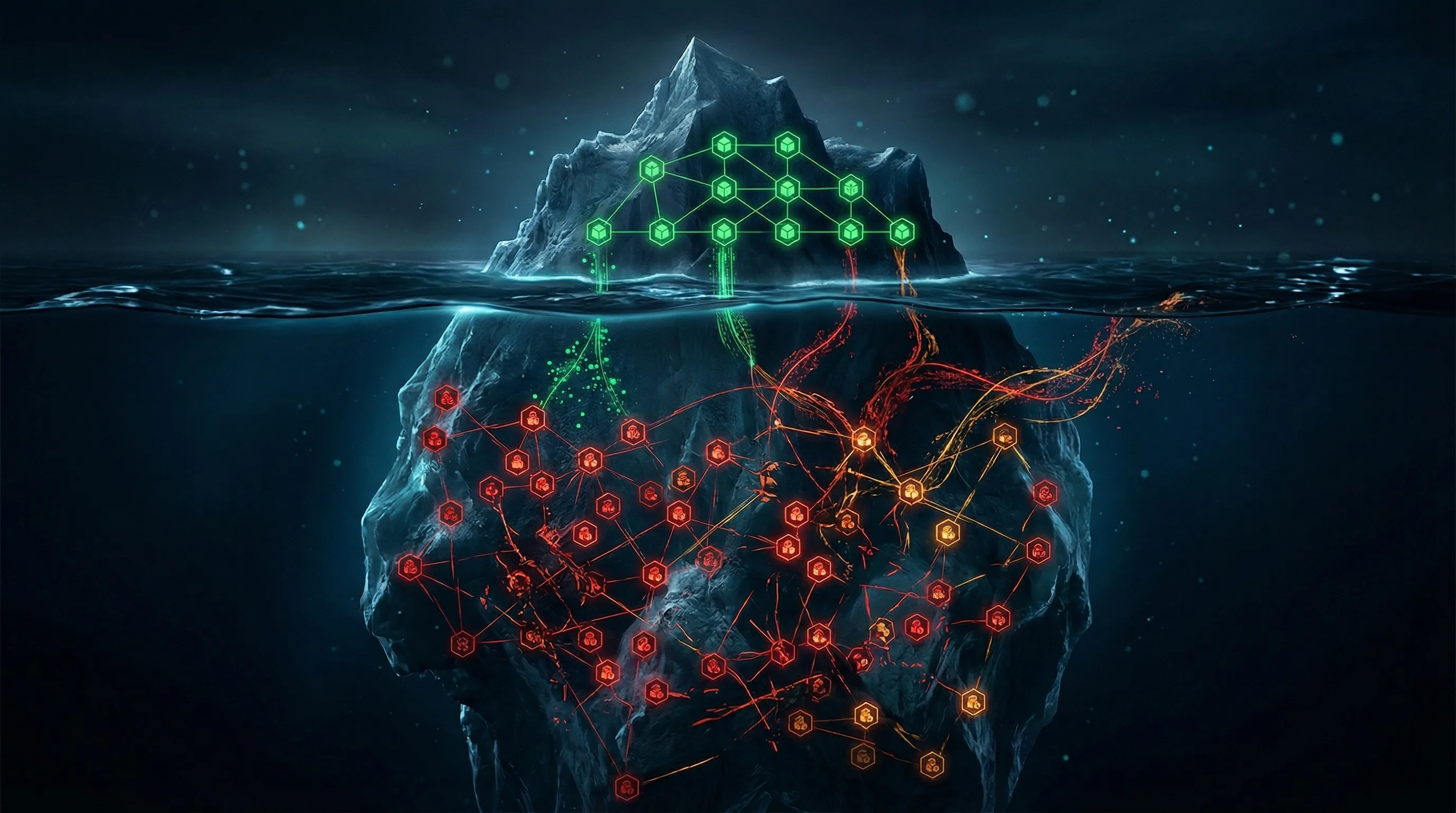
Enterprise oversight view of sanctioned versus shadow OpenClaw use across managed environments, credentials, evidence, and containment.
Shadow OpenClaw triage across policy stance, discovery, sanctioned sandbox path, and containment discipline.
Tool 3 of 4

This screen treats shadow OpenClaw as a governance and operating-model issue, not just a detection or endpoint-scanning problem.

Interactive screen

Assessment

Use this to determine whether OpenClaw use is actually governed, only partially visible, materially drifting into shadow deployment, or already beyond acceptable policy tolerance.

Question 1 of 12 0% complete
Question 1 of 12

What this result should change

The purpose of this screen is to classify the governance posture quickly, highlight the biggest gaps, and route the organization to the correct next step without giving away the paid implementation layer.

What this tool means by shadow deployment

It means OpenClaw is being used, tested, or tolerated outside a clearly governed policy, inventory, owner, and containment model.

Why a ban is not enough

A ban without a sanctioned path often drives usage underground. That makes discovery, ownership, logging, and containment worse, not better.

Why the paid bridge is ACT Tier 2

The missing value is sanctioned-use policy, evidence discipline, agentic governance, reporting, and implementation ownership. That is ACT Tier 2 territory.

Where to go next

Use the paid bridge when the screening result shows structural control gaps that need policy, procedure, evidence, and implementation ownership rather than another free quiz.

This page is informational only. It does not provide legal advice, compliance certification, or an audit conclusion.

OpenClaw Shadow Deployment Governance Check FAQ

What does this tool mean by shadow deployment?
It means OpenClaw use is happening outside a clearly governed model for policy stance, sanctioned access, inventory, ownership, evidence, and containment.
Is a ban on OpenClaw enough?
Not by itself. A blanket ban without a sanctioned governance path often pushes usage underground and weakens visibility, ownership, and evidence discipline.
Why are inventory and ownership treated as major signals?
Because without a named owner and an inventory record, the organization cannot defend what exists, who approved it, or how it would be contained or decommissioned.
Why does sanctioned sandbox access matter so much?
Because teams will still test. A sanctioned sandbox path is what keeps experimentation inside a governable boundary instead of driving it underground.
Does this tool store anything I enter?
No. The assessment runs entirely in your browser. Answers are not stored, synced, or submitted to a server.