










Regulatory evidence
FRIA Lite + Colorado Consumer-Rights Forms
Record AI impact screening, Colorado ADMT notices and consumer requests, and recommended periodic reviews. This starter does not establish compliance.
Open artifact page →Regulatory status reviewed 10 September 2026: Colorado SB26-189 was signed on 14 May 2026. It repeals and reenacts the prior SB24-205 framework with revised automated decision-making technology (ADMT) requirements, which begin on 1 January 2027. Current Colorado source.
Choose the guide that matches your current decision: governance baseline, agentic AI risk, global regulation, AI security, or implementation artifact.
Do not browse every framework page first. Pick the decision you need to make, then move to the matching guide, free artifact, ACT pack, or implementation sprint.
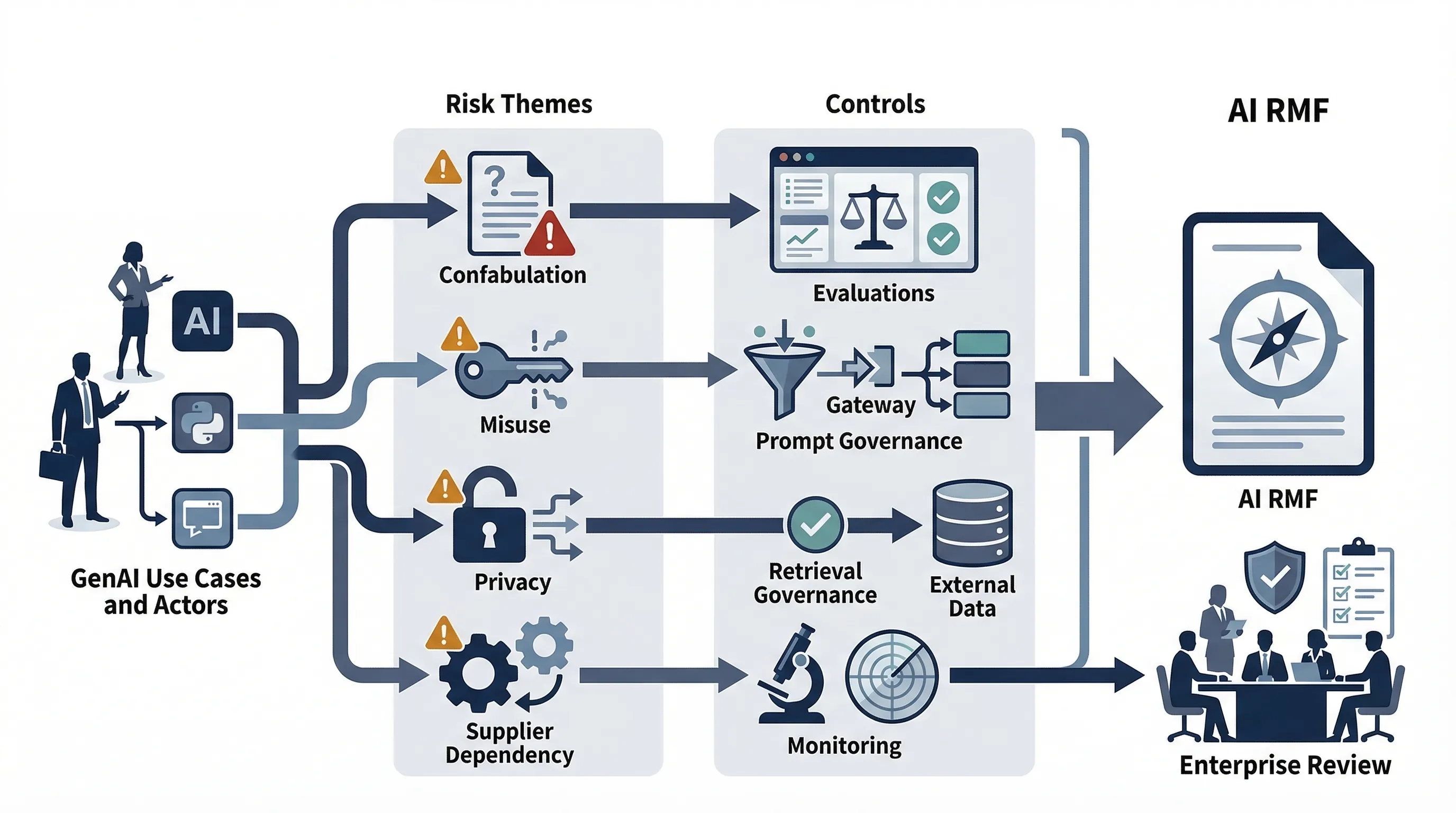
Use ISO 42001, NIST AI RMF, Treasury FS AI RMF, inventory, and acceptable-use guides.
Go to core guides →Use the agentic AI, OWASP, IMDA, OpenClaw, and incident-response guides.
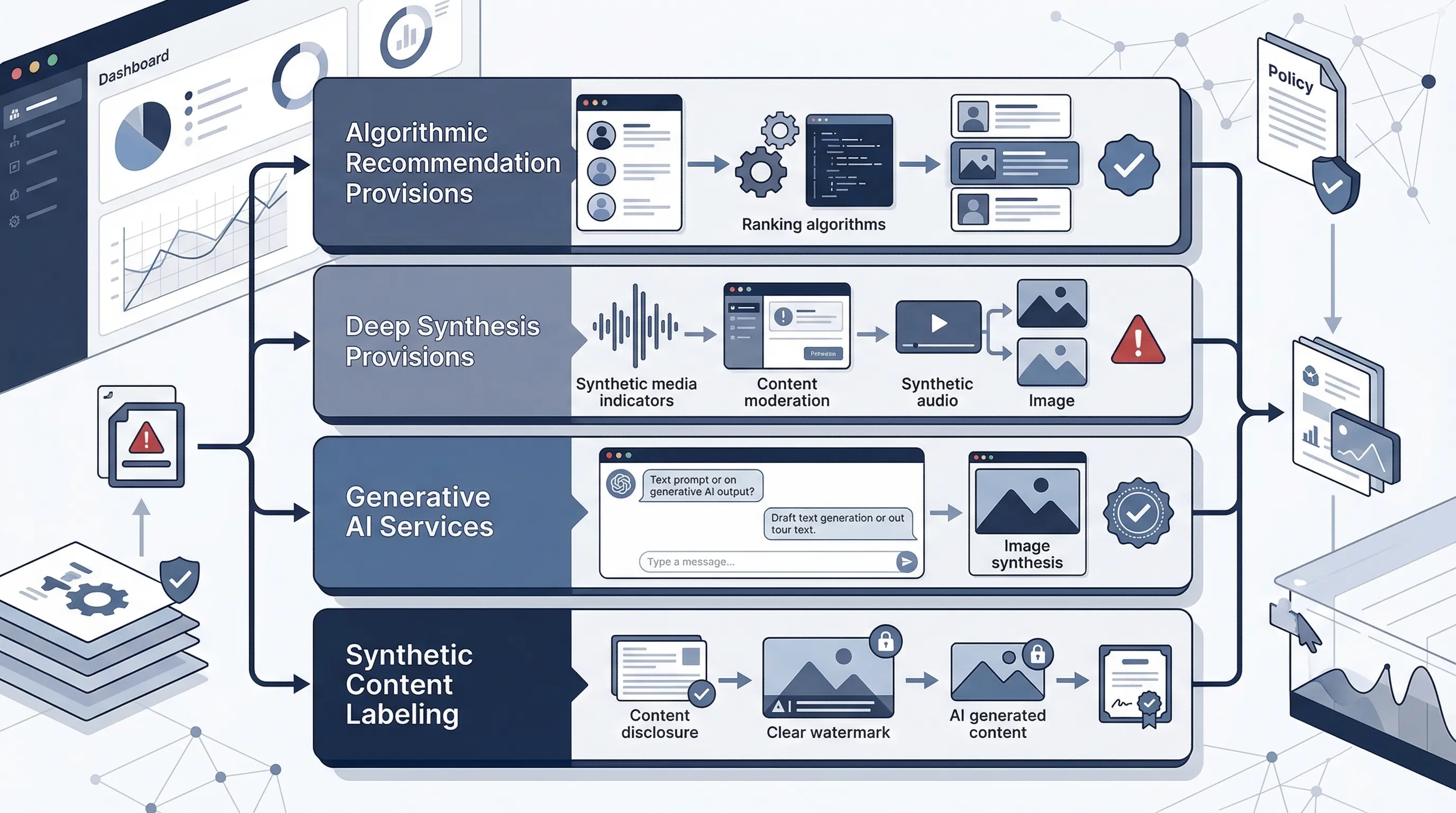
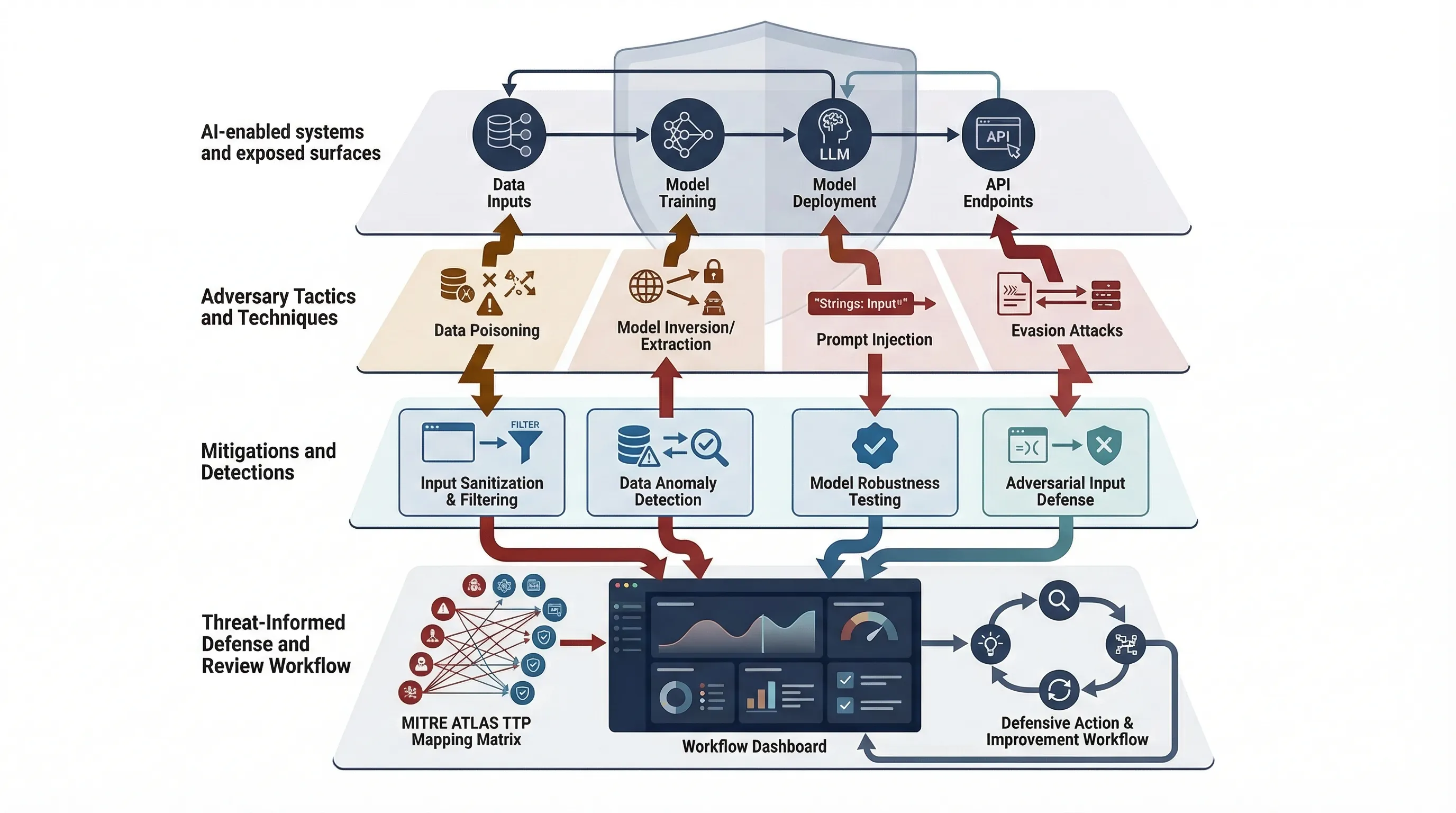
Go to agent guides →Use Colorado, EU, China, South Korea, OECD, and synthetic-content guide routes.
Go to regulation guides →ACT is one editable AI Controls Toolkit with eleven core files across eight workflow areas. It supports evidence collection and human decisions; it does not enforce controls or certify compliance.
Go to artifacts →The guides explain the operating problem. The ACT kits provide the workbooks and templates needed to document decisions, retain evidence, and brief management.
Use the public guide to understand the framework, obligation, or risk pattern.
Use ACT workbooks to convert the guidance into ownership, controls, registers, and retained evidence.
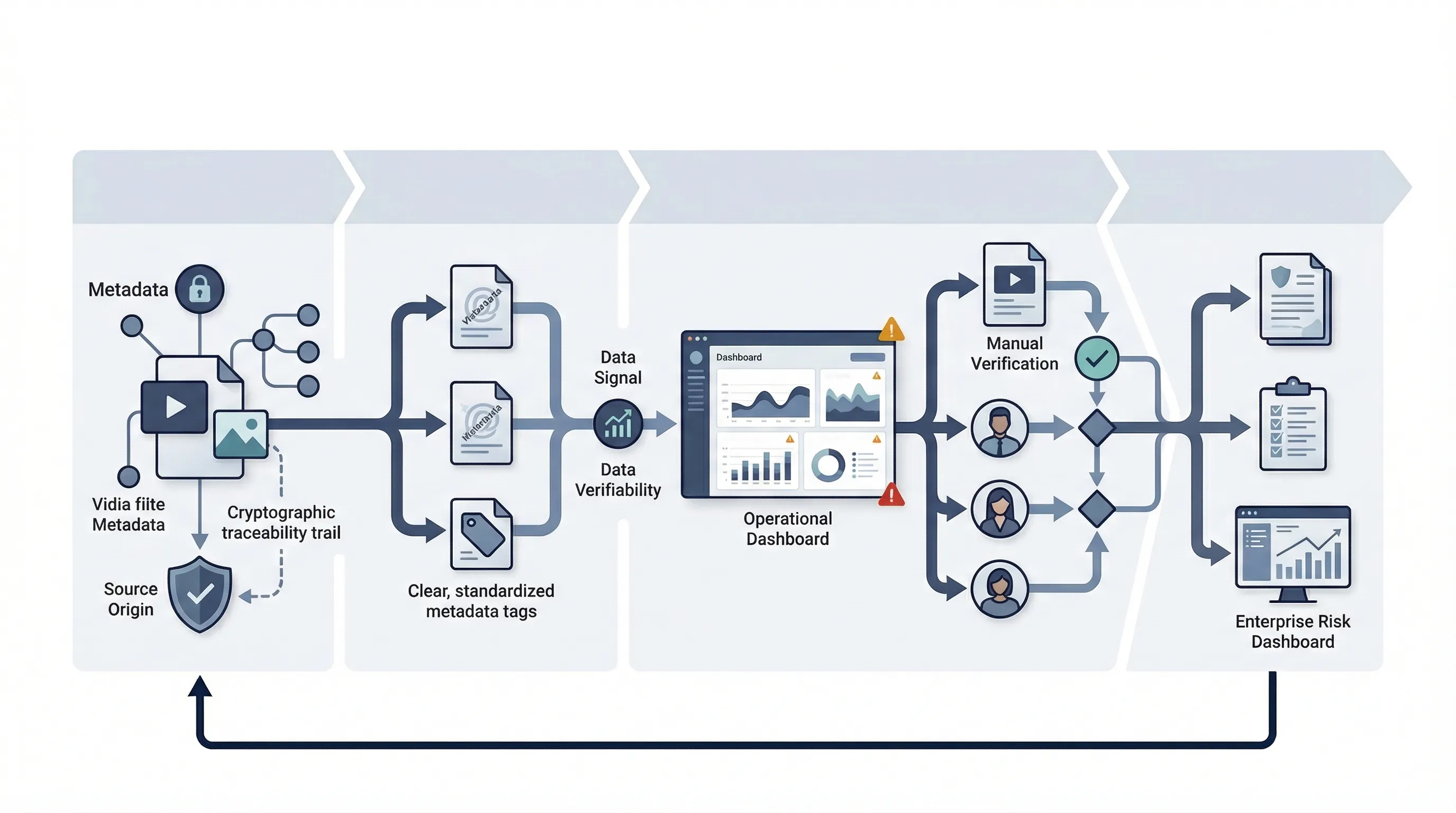
Use the reporting and evidence structure to move from awareness to internal decision-making.
For EU AI Act deployment records, explore the Move78 EU AI Act Deployer Evidence Pack. For staff learning and automation-bias practice, explore Move78 AI Literacy & Human Oversight Training. The products can be used independently. The guides and free resources remain available without buying either product.
The guides explain the operating problem. These free artifacts provide the first evidence records, workbooks, and management-facing outputs for teams that need to act.
Record AI impact screening, Colorado ADMT notices and consumer requests, and recommended periodic reviews. This starter does not establish compliance.
Open artifact page →Screen AI vendors, copilots, agents, and embedded AI suppliers before approval or procurement sign-off.
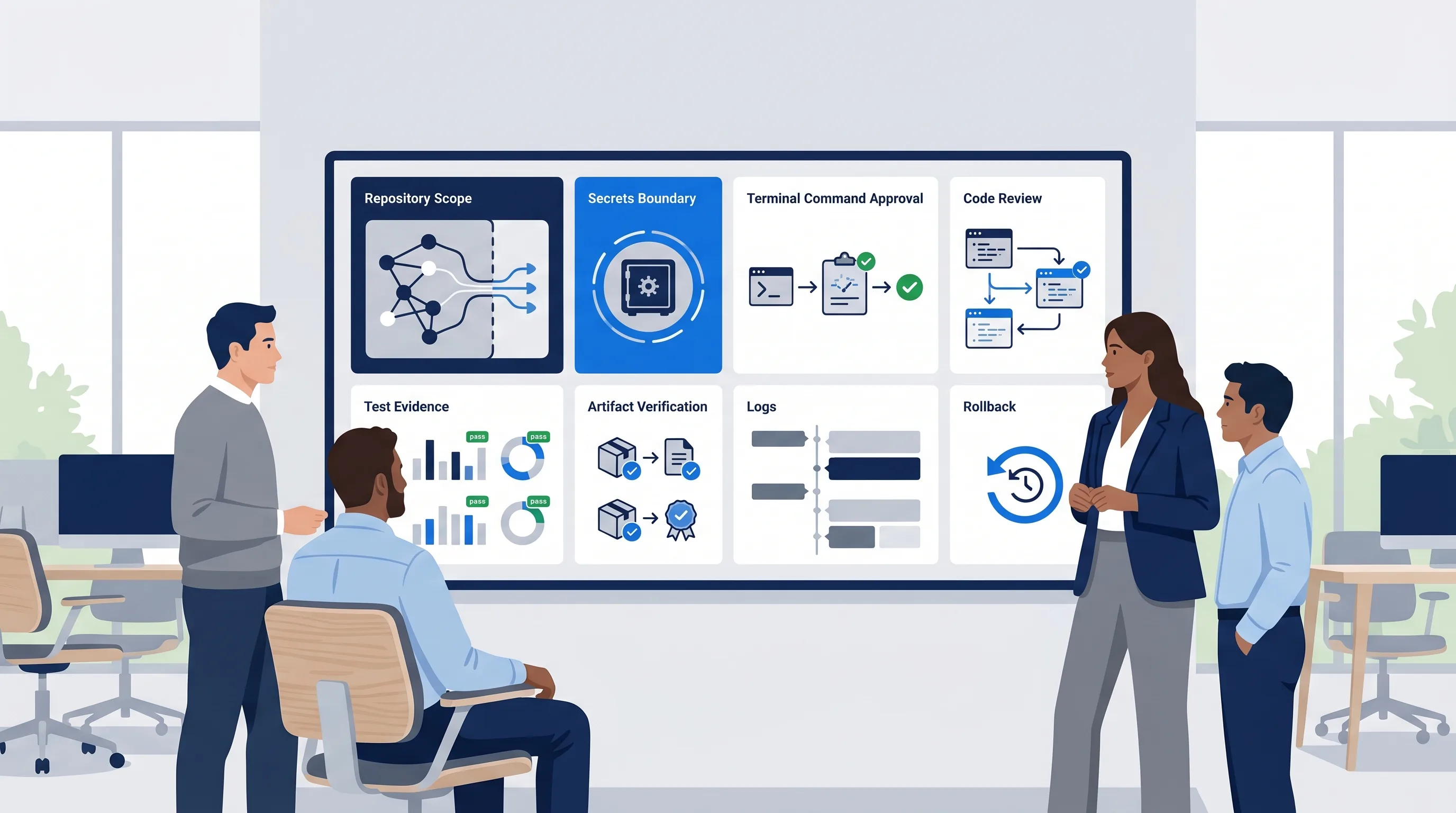
Open artifact page →Log agent incidents, classify autonomy failures, document kill-switch decisions, and retain rollback evidence.
Open artifact page →Brief leadership on AI inventory, risk posture, regulatory exposure, agentic AI risk, and 90-day governance decisions.
Open artifact page →Find unmanaged AI use across teams, browser tools, vendors, plugins, agents, and informal workflows.
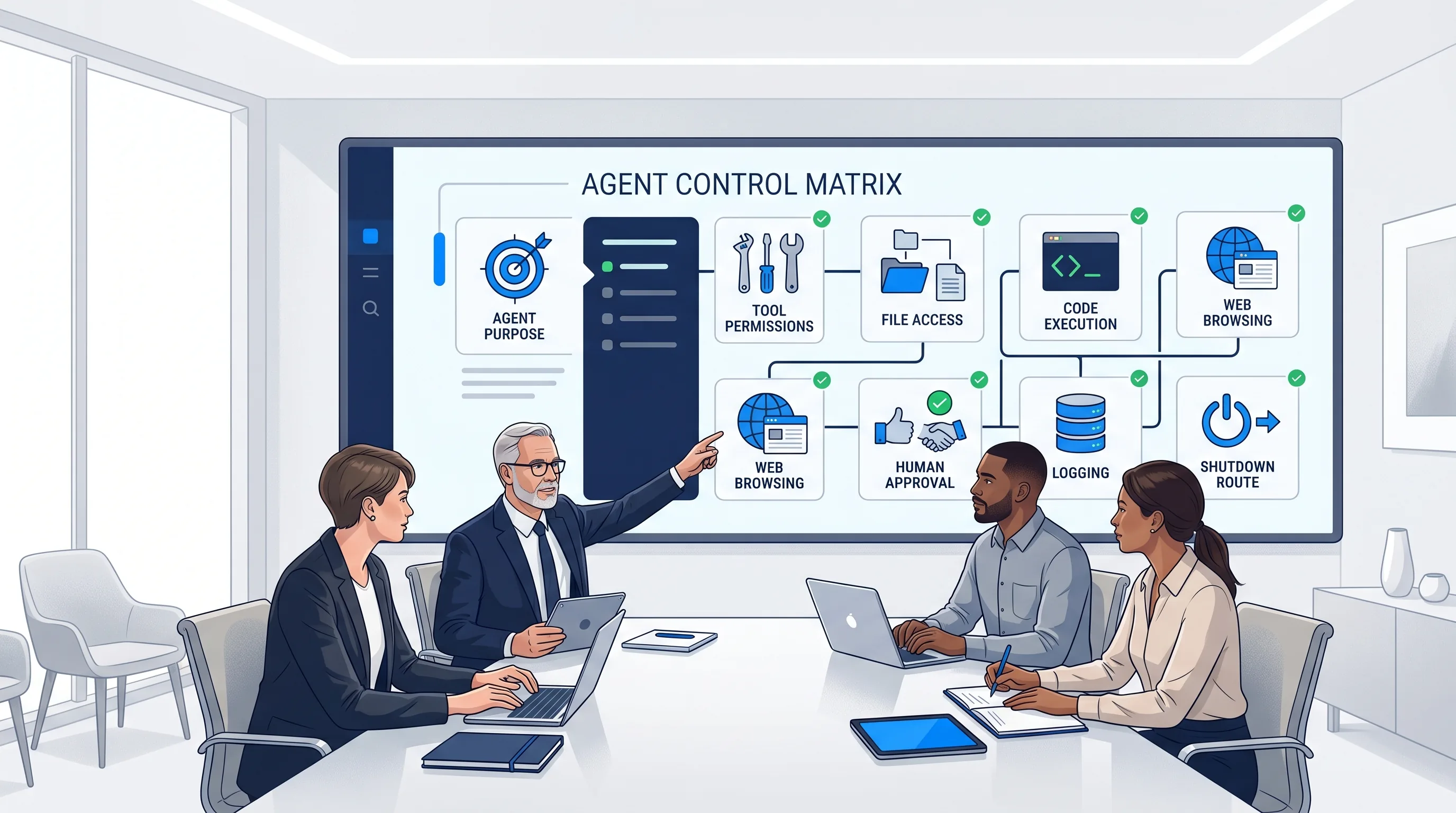
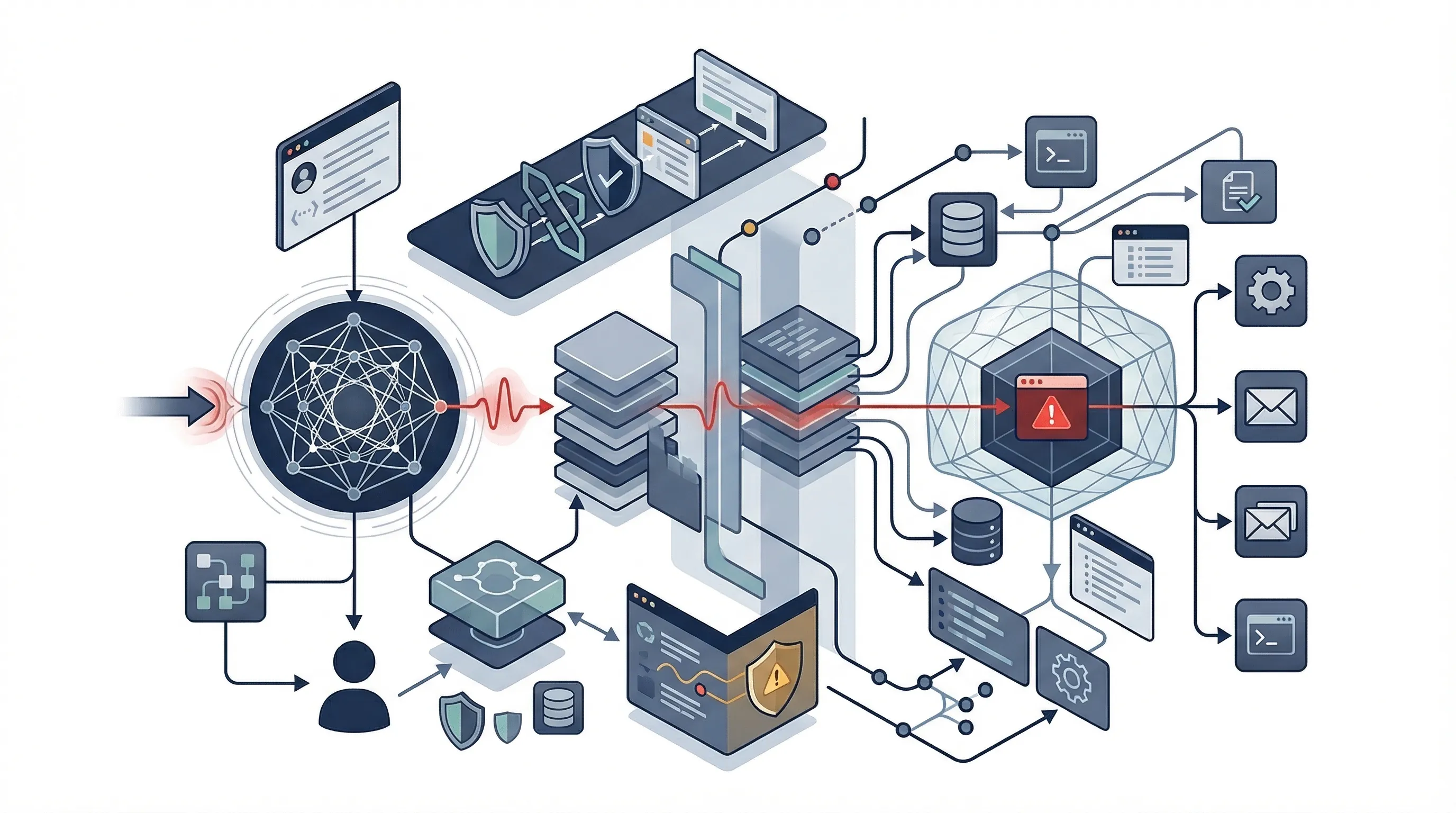
Open artifact page →Define governance layers for AI agents, MCP servers, tools, skills, override, kill-switches, evidence, and escalation.
Open artifact page →Source review dates are stated in the relevant guides. It provides operational implementation guidance and product information only; it is not legal advice, tax advice, audit assurance, certification assurance, conformity-assessment advice, buyer-approval assurance, or security assurance. Validate legal, regulatory, contractual, tax, audit, and security decisions with qualified professionals.